
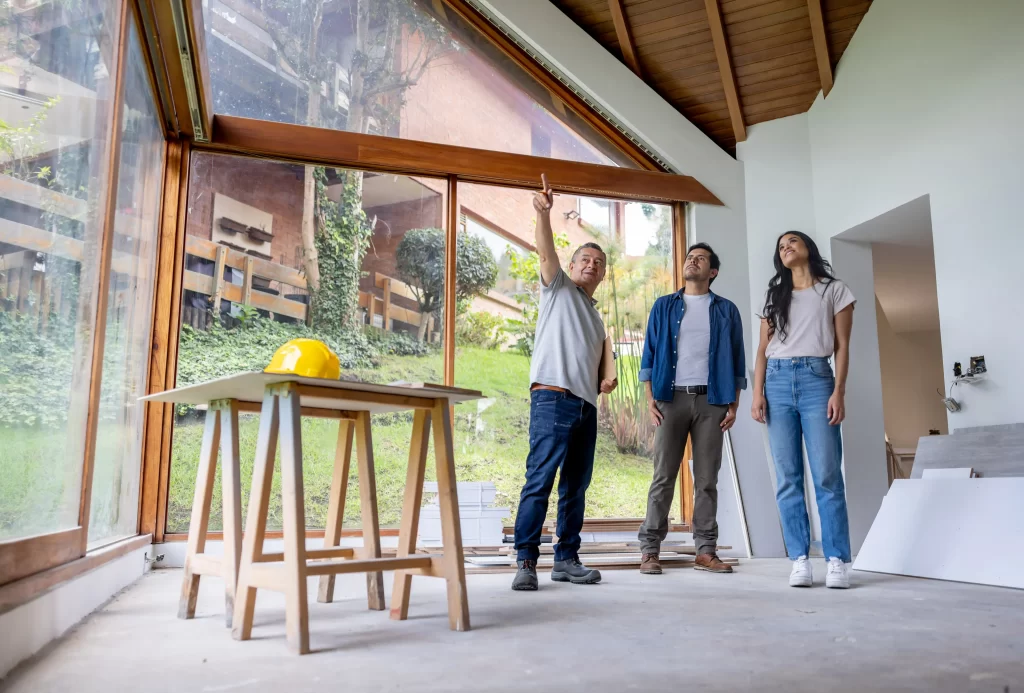
Remodeling your home can make it more comfortable, modern, and valuable. But before starting, it’s important to understand what the project will cost. Home remodeling costs in Texas can vary widely depending on where you live, what type of remodel you choose, and the materials you use. Knowing these costs helps homeowners plan budgets, avoid surprises, and make smart decisions.
Texas has a fast-growing housing market, with both new builds and older homes needing updates.
Factors Influencing Remodeling Costs
Location
Remodeling prices can differ greatly across Texas. In large cities like Austin, Dallas, and Houston, costs tend to be higher due to labor demand and higher living expenses. In smaller towns or rural areas, labor and material costs are usually lower.
For example, remodeling a kitchen in Austin or Dallas may cost 10% to 20% more than in smaller areas such as Waco or Lubbock. This difference comes from local labor rates, permit fees, and the availability of skilled workers.
Type of Remodel
The type of remodeling project has a major impact on total cost.
- Kitchen remodels often cost more because they involve plumbing, electrical work, and new appliances.
- Bathroom renovations can also add up quickly due to water fixtures and tile installation.
- Whole-home renovations are the most expensive since they combine several projects at once, including flooring, painting, roofing, and more.
In short, the more complex the remodel, the higher the cost.
Materials and Finishes
Material quality plays a big role in your final cost.
- Low-end materials, such as laminate countertops or vinyl flooring, are budget-friendly but less durable.
- Mid-range materials, like ceramic tiles and solid wood cabinets, offer better value for long-term use.
- High-end materials, including granite, marble, and custom finishes, increase both cost and property value.
In Texas, granite countertops, hardwood flooring, and ceramic tiles are popular because they’re durable and handle the state’s climate well.
Labor Costs
Labor is one of the largest expenses in any remodeling project. In Texas, labor typically makes up 40% to 60% of the total cost.
The average hourly rate for remodelers in Texas ranges from $50 to $120 per hour, depending on skill level and city. Skilled workers such as electricians, plumbers, and tile setters charge higher rates than general laborers. While it’s tempting to hire cheaper help, qualified professionals ensure safer and longer-lasting results.
Average Remodeling Costs in Texas
Kitchen Remodeling
A kitchen remodel in Texas typically costs between $20,000 and $50,000. The final price depends on layout changes, material choices, and appliance quality.
A basic update with new paint and appliances may start at $15,000, while a luxury remodel with custom cabinetry and stone countertops can reach $80,000 or more.
Typical cost breakdown:
- Cabinets: $6,000–$15,000
- Countertops: $3,000–$7,000
- Appliances: $2,500–$10,000
- Flooring and backsplash: $2,000–$5,000
- Labor and permits: $5,000–$10,000
Kitchens add strong resale value, often returning 60% to 80% of your investment when you sell.
Bathroom Renovations
Bathroom remodels cost around $15,000 to $30,000 for most Texas homes. A small guest bath may cost less than $10,000, while a master suite remodel with luxury finishes can exceed $40,000.
Average cost breakdown:
- Fixtures (tub, sink, toilet): $1,500–$5,000
- Vanity and cabinets: $2,000–$6,000
- Tile and flooring: $2,000–$8,000
- Plumbing and electrical: $3,000–$7,000
- Labor and permits: $5,000–$10,000
Bathrooms are high-impact projects that improve comfort and home value.
Whole-Home Renovation
A full home renovation in Texas ranges from $100,000 to $200,000 or more, depending on the size, age, and condition of your house. Older homes often need electrical and plumbing upgrades, which can increase total costs.
Key cost factors include:
- Size of home: Larger homes cost more to update
- Type of work: Structural or layout changes are more expensive
- Finishes: Premium materials raise prices quickly
Homeowners often spend $50 to $150 per square foot, with higher costs in urban areas.
Additional Costs to Consider
Remodeling projects often involve hidden or extra expenses beyond materials and labor. Planning for these costs can prevent budget stress later.
- Permits and inspections: $500–$2,500 depending on project scope and local rules.
- Design fees: Hiring a designer or architect can cost 10%–20% of the project budget.
- Unexpected repairs: Structural damage, plumbing issues, or mold can add thousands in unplanned costs.
- Temporary living costs: For large remodels, renting elsewhere can add $1,000–$5,000 to your total budget.
Preparing for these extras helps keep your remodel on schedule and within your means.
Tips for Cost-Effective Remodeling
1. Research and Set a Realistic Budget
Start by comparing quotes from at least three licensed contractors. Get written estimates and understand what each includes. Always keep a 10%–15% cushion for unexpected costs.
2. Prioritize Projects That Add Value
Focus on remodels that improve daily function and resale value. Kitchens, bathrooms, and curb appeal upgrades usually offer the best return on investment.
3. Decide Between DIY and Professional Work
Simple tasks like painting or removing old flooring can be done yourself to save money. Leave plumbing, electrical, and structural work to licensed professionals for safety and compliance.
4. Choose the Right Timing
Plan your remodel during the off-season, such as winter or early spring, when contractors may offer lower rates. Avoid peak seasons when demand drives prices up.
5. Hire Reliable Contractors
Check reviews, ask for proof of insurance, and confirm references. A reliable contractor helps avoid delays and costly mistakes. Don’t choose the cheapest bid choose the most transparent one.
6. Use Cost-Efficient Materials
Mid-range materials often deliver the best long-term value. They balance quality, style, and price while lasting longer than budget materials.
7. Plan the Layout Carefully
Avoid unnecessary structural changes that require moving plumbing or walls. Keeping the original layout reduces costs and speeds up completion.
Conclusion
Home remodeling costs in Texas depend on location, project type, and material quality. Kitchen remodels often range from $20,000 to $50,000, bathroom updates from $15,000 to $30,000, and whole-home renovations can exceed $100,000.
While remodeling may seem expensive, smart planning helps manage costs and improve long-term home value. Set a clear budget, prioritize high-impact upgrades, and hire skilled professionals for complex work. With the right approach, your Texas home remodel can add comfort, beauty, and lasting value to your property.